public class LibraryUser extends DBPersistentObject implements Listable {

          public void define() {

              addField("FirstName", new VarcharField(50));

              addField("LastName", new VarcharField(50));

              addField("Age", new IntField());

              addField("Address", new VarcharField(100));

          }


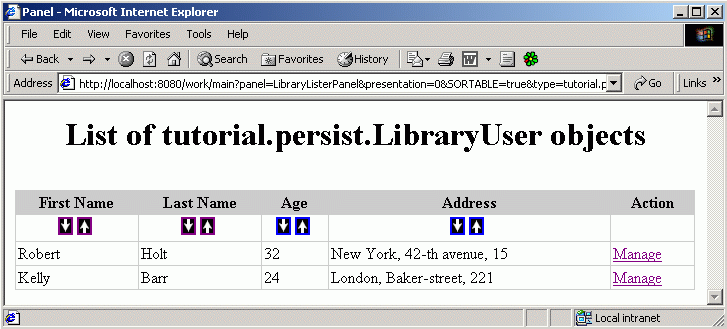
          public Pair[] getRenderableFields(int presentation) {

              CompositeActionUrl actions = new CompositeActionUrl();

              StringBuffer sb = new StringBuffer();

              sb.append("main?");

              sb.append("panel=UserPanel");

              sb.append("&next_panel=LibraryAdminPanel");

              sb.append("&objectID=");

              actions.addActionUrl(new ActionUrl("Manage", sb.toString()));

              return new Pair[]{

                  new Pair("FirstName", "First Name"),

                  new Pair("LastName", "Last Name"),

                  new Pair("Age", "Age"),

                  new Pair("Address", "Address"),

                  new Pair(actions, "Action")

              };

          }

      }
|